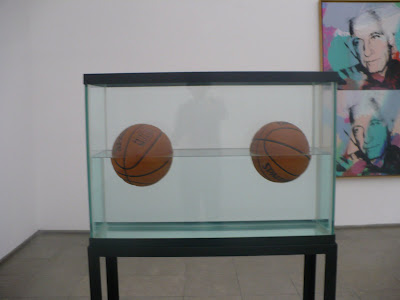
There is a beauty associated with objects and systems being in a state of equilibrium.
This is well represented by
jeff Koons two ball total equilibrium tank. It displays the serene nature associated with systems and objects being in a state of equilibrium. There are no victims, no damage is being done.
When objects migrate towards unequal states, it is dangerous and perilous. There is hurt and pain being inflicted a upon someone. Sometimes under the surface, that only becomes visible when the system moves towards a more equal state or when "when the tide moves out".
A healthy and happy individual is one that in balance. They are not overweight ( a condition that can cause insomnia, diabetes and cardiovascular disease), they are not underweight( a condition that causes clinical depression, reduced
immune system function and headaches), they do not receive small amounts of daylight (
sunlight deficit disorder) or consume large quantities of drugs.
Additionally, many injuries that the human bodies undergo are caused by certain muscles being stronger than other counteracting muscles. Once, the initial injury has been rectified, long term avoidance of the injury can only be secured by ensuring that the weaker muslces become stronger so that they are in balance.
There are countless other adverse effects of unstable natural systems. For examples earthquakes, hurricanes or landslides.
The danger of unequal systems is represented forcefully in the economic world. For example, recently there has a huge push towards increased oil seed production in the west to meet its growing demand for
biofuels. This has resulted in large increases in rice and corn prices, resulting in riots in
Haiti and
increasing hunger and poverty in developing countries.
The effects of this increased demand for wheat is now beginning to be felt in the west with
Wal-Mart introducing a rationing scheme for rice in its stores.
Moreover, as the production of
biofuels requires a huge amount of resources from land, labour, raw materials and capital. The use of
biofuels to limit
GHG emissions will become a zero sum game, as the large amounts of
GHGs will emitted in the actual production of the wheat. This is recognised by many, and thus the search for
cellulosic ethanol technology.
Currently, the stock market and many other economic indicators such as employment, house prices and are falling. These falls are heavily associated with financial institutions closing the credit taps which have been flowing in recent years. The large amount of lending by financial houses in recent years has allowed states of equilibrium (i.e high stock and property valuations) to develop which were not based on any economic foundation but cheap and easily available credit. This easy credit has pushed up living standards, produced low levels of unemployment and allowed people to become people to become house owners who would have previously of only dreamt of it. However, it was unsustainable and resulted in a state of equilibrium that entirely unstable.
Hopefully in this blog, the nature of equilibrium, how little movements can result in the creation of an entirely new balance and the positive/negative outcomes of certain unstable systems will be examined.
Finally, music and film will also be highlighted.


